
Views: 0 Author: Site Editor Publish Time: 2026-05-11 Origin: Site


Fastener selection in construction and roofing involves incredibly high stakes. Choose the wrong nail, and you risk compromising the entire structural integrity of your build. Using incorrect fasteners routinely voids expensive material warranties. It also drives up future repair costs exponentially. Many buyers weigh the cheaper upfront cost of galvanized nails against the premium price of stainless options. However, this decision requires looking far beyond the initial price tag.
You must carefully account for wood chemistry. You need to evaluate environmental exposure levels. You also need to understand galvanic corrosion risks before making a purchase. Our goal is to provide an evidence-based, technical evaluation of galvanized versus stainless steel fasteners. We break down exactly how these metals perform under physical stress, salt spray, and harsh chemical treatments. This comprehensive guide helps B2B buyers, contractors, and serious DIYers make a compliant, ROI-positive choice for their projects.
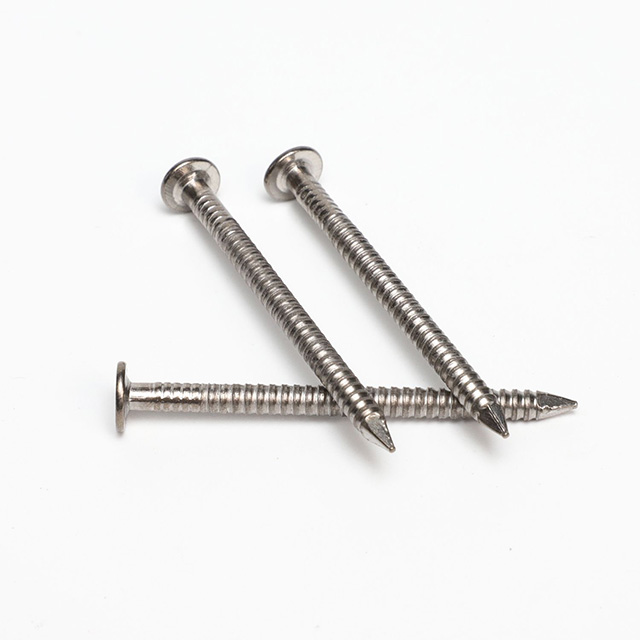
Lifespan Dictates Value: Electrogalvanized nails last 5–10 years, hot-dipped galvanized 15–25 years, and 316-grade stainless steel easily exceeds 30+ years.
Chemistry Matters: Acidic woods (like cedar and oak) and pressure-treated (PT) lumber rapidly strip galvanized coatings; stainless steel is mandatory for these materials.
Coastal vs. Inland: 316 (A4) stainless steel is the only reliable defense against salt spray; galvanized nails will fail prematurely in marine environments.
Procurement Standard: Always verify B2B purchases against ASTM A153 (Hot-Dipped) or ISO 3506 (Stainless) and demand Mill Test Reports (MTRs).
To choose the right fastener, you must first understand how each metal fights off the elements. Galvanized and stainless products use entirely different chemical strategies to prevent rust.
Galvanized fasteners rely on a sacrificial zinc coating to protect the underlying steel core. Moisture and oxygen attack the zinc layer first. The zinc corrodes over time, sparing the structural steel inside. However, you must recognize the massive durability gap between different galvanization methods.
Electrogalvanized nails feature a very thin layer of zinc applied via electrical currents. They offer minimal protection. You should only use them for indoor, temporary, or fully weather-shielded applications. Hot-dipped galvanized (HDG) nails undergo a process where manufacturers submerge the steel into molten zinc. This creates a thick, multi-layered metallurgical bond. HDG provides reliable exterior protection for many years, provided the environment remains relatively mild.
Stainless fasteners do not rely on a depleting outer coating. Instead, they contain distinct alloys, primarily chromium. When chromium reacts with atmospheric oxygen, it forms an invisible, microscopic layer of chromium oxide. We call this process passivation.
Unlike a zinc coating, this passivation layer does not deplete. If you scratch the surface during installation, the exposed chromium instantly reacts with oxygen to form a new protective barrier. It effectively heals itself. This makes the material exceptionally resilient against physical damage during heavy construction.
Many contractors mistakenly believe all stainless hardware is entirely rust-proof. This is a dangerous myth. Lower-grade alloys, like 304 (also known as A2 in Europe), offer excellent general protection. However, they can still show surface rust when exposed to extreme salt concentrations.
For true marine applications, you need 316 (A4) grade. The 316 alloy contains added molybdenum. This specific element drastically increases resistance to chloride pitting. If you build near the coast, upgrading to 316 is an absolute necessity.
Beyond chemical resistance, you must evaluate how these fasteners perform mechanically under load. The table below outlines a technical comparison between premium hot-dipped galvanized and 316-grade stainless products.
Performance Metric | Hot-Dipped Galvanized Steel | 316 Stainless Steel |
|---|---|---|
Protection Strategy | Sacrificial (Depletes over time) | Passivation (Self-healing) |
Tensile Strength | Approx. 400 - 841 MPa | Approx. 515 - 1300 MPa |
Malleability (Driving) | Rigid, snaps under extreme bend | Softer, bends before snapping |
Saltwater Resistance | Poor (Rapid degradation) | Excellent (Zero chloride pitting) |
High Heat Integrity | Zinc melts/separates at extreme heat | Maintains structural integrity |
Engineers often evaluate tensile strength to determine how much load a fastener can bear before failing. Standard carbon or structural steel generally sits around 400 to 841 MPa. Stainless alloys typically span between 515 and 1300 MPa. They offer superior overall strength due to their unique alloy composition.
However, you must note a crucial behavioral difference. Stainless hardware tends to be slightly more malleable or "softer" than hardened high-carbon steel. If you strike it off-angle, it might bend rather than snap. Because of this malleability, especially when using high-tensile Stainless Steel Roofing Nails, you must carefully calibrate your pneumatic nail guns. Too much pressure can deform the head or bend the shank during rapid firing.
When two dissimilar metals touch in the presence of moisture, they act like a battery. One metal becomes an anode and corrodes rapidly to protect the other. We call this galvanic corrosion. Matching your metals is critical to long-term structural survival.
Using standard galvanized products on copper or aluminum flashing triggers rapid, destructive galvanic corrosion. The zinc coating vanishes quickly, leading to total fastener failure. Because of this risk, Stainless Steel Roofing Nails represent the universally compatible, fail-safe option. They remain chemically stable when paired with premium roofing materials like slate, clay tile, and complex mixed-metal flashing systems.
Temperature fluctuations also play a major role in fastener longevity. Galvanized zinc coatings can compromise during periods of extreme heat. Prolonged high temperatures may cause the zinc layer to separate from the steel core. Stainless alloys easily tolerate massive temperature swings without losing their passivated shielding or mechanical strength.
Choosing the correct fastener often depends entirely on the surrounding materials. Wood chemistry dictates your procurement choices more than any other factor.
You can confidently use hot-dipped galvanized products for standard asphalt shingles in mild, inland climates. They provide sufficient protection for the 15-to-25-year lifespan of standard shingles. However, specific scenarios demand an upgrade. You must use premium Stainless Steel Roofing Nails for coastal properties subjected to salt spray. You also need them for heavy slate roofs designed to last a century, or when using high-acidity synthetic underlayments.
Premium woods like cedar, redwood, and oak contain high levels of natural tannins. These natural acids trigger a fierce chemical reaction when they contact zinc. This reaction causes ugly black staining to bleed down the wood grain.
More importantly, the tannins rapidly eat through the zinc coating. This leads to premature fastener failure. If you invest in expensive cedar siding or oak decking, you must use stainless hardware to prevent aesthetic ruin and structural collapse.
Modern pressure-treated lumber utilizes potent chemical preservatives to ward off rot and insects. Popular treatments, such as Alkaline Copper Quaternary (ACQ), rely heavily on copper compounds. These copper compounds are highly corrosive to standard galvanized steel.
If you drive a standard zinc-coated nail into wet PT lumber, the copper destroys the zinc almost immediately. Stainless hardware is the undisputed industry standard for fastening PT structural bases, deck joists, and retaining walls.
Procurement teams often balk at the initial price tag of premium alloys. You must reframe the conversation around long-term return on investment (ROI) and total lifecycle value.
You will typically find that stainless options cost two to three times more than standard galvanized alternatives. However, fastener costs represent a tiny fraction of total project expenses. The real financial risk lies in labor.
If a roof fails prematurely due to corroded fasteners, the labor cost to tear off and replace the shingles far exceeds the initial fastener upgrade. When building a deck or roof expected to last over 30 years, upgrading your hardware is the cheapest insurance policy you can buy.
Visual degradation leads to unhappy clients and costly callbacks. As zinc coatings fail, red rust begins to bleed down the side of the structure. This rust permanently stains expensive fiber-cement siding, painted trim, and premium shingles.
Stainless hardware guarantees zero rust bleeding. It protects the visual grade of your materials for decades. This drastically reduces ongoing maintenance requirements and preserves property curb appeal.
Environmental building standards increasingly scrutinize material lifecycles. Galvanized coatings slowly leach toxic zinc compounds into the surrounding soil. This zinc runoff contaminates groundwater over the lifespan of a building.
Conversely, stainless alloys offer a massive environmental advantage. They leach zero chemicals into the soil or water runoff, unlike galvanization processes. For projects pursuing LEED certification or adhering to strict green building standards, specifying Stainless Steel Roofing Nails is a highly advantageous strategy. Furthermore, the material is 100% recyclable at the end of its life, contributing to a circular construction economy.
Sourcing high-quality fasteners requires rigorous vendor vetting. The global market is flooded with deceptive labeling and subpar metallurgy.
Unscrupulous suppliers often pass off cheap electrogalvanized nails as premium hot-dipped products. You can usually spot electrogalvanized items by their overly shiny, smooth finish. True hot-dipped products feature a dull, slightly textured, matte gray appearance.
Similarly, vendors may mislabel 304-grade steel as 316 marine-grade. Because both alloys look identical to the naked eye, you cannot rely on visual inspection alone to verify quality.
To protect your supply chain, you must enforce strict industry specifications on your purchase orders. Shortlist the following mandatory standards for your procurement team:
ASTM A153: The official standard specification for Zinc Coating (Hot-Dip) on Iron and Steel Hardware.
ASTM F1667: The standard specification for Driven Fasteners: Nails, Spikes, and Staples.
ISO 3506: The international standard detailing the mechanical properties of corrosion-resistant stainless-steel fasteners.
ASTM B117: The standard practice for operating Salt Spray (Fog) Apparatus, used to benchmark corrosion resistance.
Never place a bulk order without verifying the manufacturer's claims. Advise your buyers to request Mill Test Reports (MTRs) for every batch. These reports scientifically prove the exact chemical composition of the metal.
Additionally, always order sample boxes before committing to a massive purchase. Distribute these samples to your framing crews. Let them test pneumatic tool compatibility on the job site to ensure the shanks do not bend under the pressure of your specific nail guns.
The final verdict depends entirely on your project's unique environment and desired lifespan. Hot-dipped galvanized products remain the cost-effective champion for standard, inland residential framing. They are perfectly adequate for basic asphalt roofing in mild climates.
However, stainless hardware is strictly non-negotiable for demanding applications. You must use them for coastal builds exposed to sea salt. They are mandatory when working with acidic woods like cedar or pressure-treated lumber. Finally, they are essential for lifetime roofing systems where the covering material outlasts standard steel.
Take a moment to carefully evaluate your specific climate conditions and material requirements. Review your local building codes regarding fastener compliance. We recommend requesting a detailed B2B quote, ordering sample packs for field testing, and thoroughly reviewing technical specification sheets before starting your next major build.
A: No. The natural acids in these woods will eat through the zinc coating, causing black streaks and premature structural failure. Use stainless steel.
A: These are European designations. A2 is equivalent to 304 grade (good for general outdoor use), and A4 is equivalent to 316 grade (marine-grade, essential for salt-water and harsh chemical exposure).
A: Stainless steel is actually slightly more malleable (softer) than high-carbon steel, meaning it can bend if struck off-angle, though this is rarely an issue with properly calibrated nail guns.
A: Hot-dipped galvanized nails typically last 15–25 years depending on moisture. High-grade stainless steel nails are designed to last the lifetime of the structure (30 to 50+ years).


