
Views: 0 Author: Site Editor Publish Time: 2026-05-11 Origin: Site


Every roofing project faces a dangerous timeline. A sudden storm can destroy hours of hard work in minutes. Roofing underlayments and house wraps are highly vulnerable to wind damage. They also risk moisture intrusion during the "time gap." This gap is the tense period between membrane installation and covering the surface. Primary exterior materials like shingles or siding take time to install. Standard fasteners often fail during this wait. They tear through delicate fabrics under wind pressure. The solution involves specialized fasteners designed for holding power. Plastic Cap Roofing Nails secure thin membranes without tearing. They provide temporary weatherproofing and long-term hold. You will learn how to transition from evaluating basic staples to understanding advanced mechanical fasteners. We will explore the compliance and ROI advantages of using these specialized nails for structural membranes.
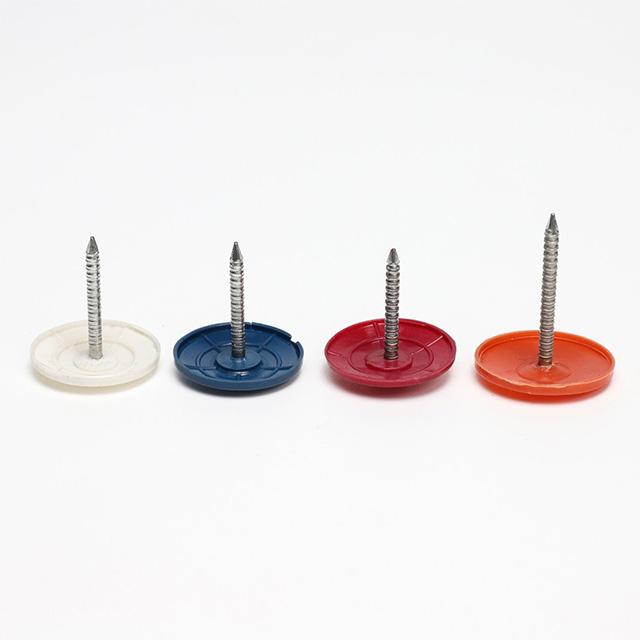
Primary Function: Securing synthetic or felt roofing underlayment, house wraps, radiant barriers, and rigid foam board insulation.
Mechanism of Action: The wide plastic cap spreads load-bearing pressure to prevent wind tear-out, acting as a functional gasket to seal puncture holes.
The Compliance Driver: Required by major material manufacturers (e.g., GAF) to maintain top-tier warranties and compliant with stringent IBHS wind-resistance standards.
Crucial Limitation: Should be strictly avoided beneath standing-seam metal roofs due to "telegraphing" (where the cap's thickness visually imprints on the metal surface).
Professional contractors rely on specific fasteners for specific materials. You cannot use a one-size-fits-all approach on a job site. Understanding the precise applications for these fasteners ensures building integrity. Here are the core materials they secure:
Roofing Underlayments (Synthetic & Traditional Felt): The fastener acts as a primary anchor here. It prevents catastrophic wind tear-off. High winds easily lift unsecured underlayments before workers install asphalt shingles. The broad cap holds the material flat against the roof deck.
House Wraps & Vapor Barriers: Moisture barriers like Tyvek require careful handling. The fastener secures these air barriers to exterior sheathing. It performs this duty without compromising waterproofing integrity. The broad cap prevents the wrap from ripping during heavy storms.
Rigid Board Insulation & Radiant Barriers: Insulation boards are lightweight and friable. Standard nails punch straight through the foam. The wide caps hold these delicate materials tight to the substrate. They distribute pressure evenly across the fragile surface.
Expertise Note: Plastic Cap Roofing Nails serve a highly specialized purpose. They are never for structural framing. You should never use them to secure final roofing materials like shingles. They exist exclusively for underlying membranes and sheathing preparation. Using them outside these bounds compromises structural safety.
Standard roofing fasteners fail because they lack surface area. High wind loads easily overcome tiny nail heads. This causes the membrane to rip over the fastener. Let us break down the anatomy of a superior fastener.
The head features a flexible plastic cap. It typically measures one inch in diameter. This design dramatically increases the surface area. It distributes wind-load stress across a wider section of the membrane. This prevents the pull-through tearing common when using standard small-head roofing nails. The material stays locked down.
Consider the gasket physics at play. A bare nail creates a hole. Rainwater easily finds this puncture. The plastic cap changes this dynamic. It lays completely flat against the surface. The cap acts as a compression gasket. It routes rainwater safely away from the underlying penetration. This keeps the wood deck dry.
Most premium cap nails utilize an aggressive ring shank design. Smooth shanks pull out easily over time. Ring shanks solve this problem through mechanical locking. You drive the nail into the wood. Wood fibers immediately fill the crevasses of the rings. This creates massive friction. It provides roughly twice the withdrawal strength of smooth-shank nails.
Contractors need speed and durability. A diamond point provides rapid penetration. It pierces synthetic fabrics cleanly without causing collateral tearing. Manufacturers typically use 12-gauge steel for the core. They apply an electrogalvanized coating. This provides standard corrosion resistance during the crucial exposure period.
Component | Design Feature | Primary Benefit |
|---|---|---|
Head | 1-inch Flexible Plastic Cap | Spreads load-bearing pressure to stop wind tears. |
Sealing | Flush-Mount Gasket Action | Diverts rainwater away from the deck puncture. |
Shank | Aggressive Ring Shank | Doubles withdrawal strength via wood fiber friction. |
Point | Diamond Point Tip | Pierces synthetics cleanly without ripping fibers. |
Contractors frequently debate fasteners. Many still reach for pneumatic staples. However, comparing total cost of ownership reveals a different story. Short-term savings often lead to long-term liabilities.
We must acknowledge the initial appeal. Pneumatic staples are cheaper to buy. They are faster to shoot. The pneumatic staple guns weigh less. This reduces worker fatigue during long shifts. Many contractors prefer staples to keep upfront labor costs low.
Staples hide a critical weakness. Workers easily overdrive them. The staple crown punches right through the underlayment. This ruins the membrane's waterproofing ability. Under high wind loads, staples simply lack holding power. They cannot prevent the membrane from ripping cleanly off the roof deck. A ripped membrane leaves the raw wood exposed to rain.
Plastic Cap Roofing Nails require a higher initial investment. The fasteners cost more. The specialized pneumatic cap nailers cost more. However, this investment drastically reduces liability. You prevent membrane blow-offs. You avoid emergency tarping callbacks. You stop interior water damage during unexpected storms. The long-term return on investment is undeniable.
Safety remains paramount on any job site. Consider steep pitches ranging from 8/12 to 12/12. Underlayment secured only by staples easily tears under a worker's boot. This material failure leads to severe slip-and-fall hazards. Cap nails lock the walking surface firmly in place. They give roofers a stable, trustworthy foundation to stand on.
Feature | Roofing Staples | Plastic Cap Nails |
|---|---|---|
Upfront Material Cost | Low | Moderate to High |
Wind Tear Resistance | Poor | Excellent |
Water Sealing Ability | None (Creates open punctures) | High (Acts as a compression gasket) |
Worker Walking Safety | High Risk (Prone to tearing) | Secure (Locks membrane tightly) |
Code Compliance | Often prohibited in high-wind zones | Universally accepted/mandated |
Modern construction faces stricter scrutiny than ever before. Extreme weather events drive new building codes. Using the wrong fastener now carries heavy penalties. It can void warranties and fail inspections.
Municipal building codes constantly evolve. High-wind and hurricane-prone zones take wind uplift seriously. Many coastal municipalities strictly prohibit staples for underlayment. They mandate cap nails by law. Failing to use them results in failed inspections. This causes costly project delays.
The IBHS sets rigorous fortified roof standards. Cap nails meet these demanding benchmarks. They serve as a vital last line of defense. High winds sometimes strip away the primary shingles. When this happens, a properly fastened underlayment keeps the roof deck sealed. It prevents massive water intrusion into the home.
Manufacturer best practices dictate fastener usage. Top manufacturers protect their liabilities carefully. They stipulate strict installation guidelines. Installing premium synthetic underlayments without Plastic Cap Roofing Nails carries consequences. It will instantly void extended warranties. GAF Master Elite certification requires strict adherence to these fastening rules. Protect your client's warranty by following the manufacturer specifications precisely.
Always consult the underlayment manufacturer's manual before fastening.
Verify local municipal wind codes regarding fastener head diameter.
Keep fastener purchase receipts to prove warranty compliance.
Every building material has limitations. Knowing when to avoid a product is crucial. Cap nails provide incredible holding power. However, specific scenarios require alternative fastening methods.
You must observe strict exclusions for standing seam metal roofs. The plastic cap measures roughly 1/16-inch thick. This seems minimal. However, this thickness will "telegraph" through metal panels. The caps show visually as unsightly bumps on the finished roof. You must avoid them here. Use specialized pancake head screws instead. Low-profile fasteners keep the metal panels perfectly smooth.
Chemical reactions destroy inferior fasteners. Standard electrogalvanized cap nails lack high-level chemical resistance. They are not rated for use in chemically treated lumber. Treated wood requires hot-dipped galvanized or stainless steel fasteners. Using standard electrogalvanized nails in treated wood causes rapid corrosion. The nails will rust and fail prematurely.
Thermal dynamics play a role in roofing. Bare metal fasteners conduct heat rapidly. The plastic cap creates a helpful thermal break. It minimizes metal-to-membrane heat transfer. This reduces thermal bridging at the nail head. Less thermal bridging means lower condensation risks in the attic space.
Experience teaches hard lessons. Avoid these frequent installation errors to ensure maximum performance.
Under-driving: Leaving the cap loose prevents the gasket effect. Water will seep under the plastic.
Over-driving: Crushing the plastic cap destroys its structural integrity. It will crack and eventually fall off.
Spacing Errors: Skipping fasteners to save time reduces wind resistance. Always follow the manufacturer's printed nailing pattern.
Choosing the right fastener dictates the lifespan of a roof installation. The preparation layers demand reliable anchoring. Standard fasteners simply cannot handle the physical demands of modern construction timelines.
Acknowledge the Insurance Value: Treat these fasteners as a non-negotiable insurance policy. They guarantee membrane integrity during vulnerable construction phases.
Prioritize Long-Term ROI: Accept the higher upfront investment in materials and pneumatic nailers. The massive reduction in liability, blow-offs, and weather damage offsets this cost entirely.
Check Local Codes: Always review your local municipal building codes before starting a project. Wind zone ratings often dictate exact fastener requirements.
Consult Manufacturer Specs: Read the underlayment spec sheet. Ensure you maintain warranty compliance by using approved fastening methods.
Calculate Proper Volumes: Plan ahead. Calculate the required nail volume for your upcoming square footage based on strict edge and field spacing patterns.
A: Volume varies heavily by manufacturer, roof pitch, and local wind codes. Fasteners usually require an estimated standard pattern. You typically place them every 6 to 8 inches along the membrane edges. In the field, you space them 12 to 24 inches apart. Always consult the specific underlayment manual for exact density requirements.
A: Yes, they prevent leaks under temporary exposure. The broad plastic cap acts like a compression gasket. It actively sheds rainwater away from the wood deck penetration. Conversely, standard staples create unsealed holes. These bare holes remain highly vulnerable to immediate water leakage.
A: Absolutely not. You must use them strictly for underlayment, house wraps, and foam board insulation. Asphalt shingles require standard, code-approved galvanized steel roofing nails. Shingles need a flat profile to lay correctly and seal properly. The plastic cap would prevent the shingles from sealing down.


