
Views: 0 Author: Site Editor Publish Time: 2026-05-11 Origin: Site


Securing roof underlayment acts as a critical failure point in modern roofing systems. You rely on this vital layer to stop water intrusion effectively. If you choose an improper fastener, you compromise the entire moisture barrier immediately. This structural damage occurs long before the exterior shingles are even installed. Today, we observe significant industry tension regarding this specific installation choice. Contractors prioritize speed and often prefer using basic pneumatic staples. Conversely, municipal building codes demand structural integrity and strict warranty compliance. This standard requires robust cap nails or umbrella-style head designs. For optimal pull-out resistance, you need a reliable structural anchor. Better moisture sealing ultimately dictates your final material decision. Strict adherence to manufacturer warranties leaves absolutely no room for error. Therefore, we recognize wide-head fasteners as the definitive standard for synthetic underlayment installation.
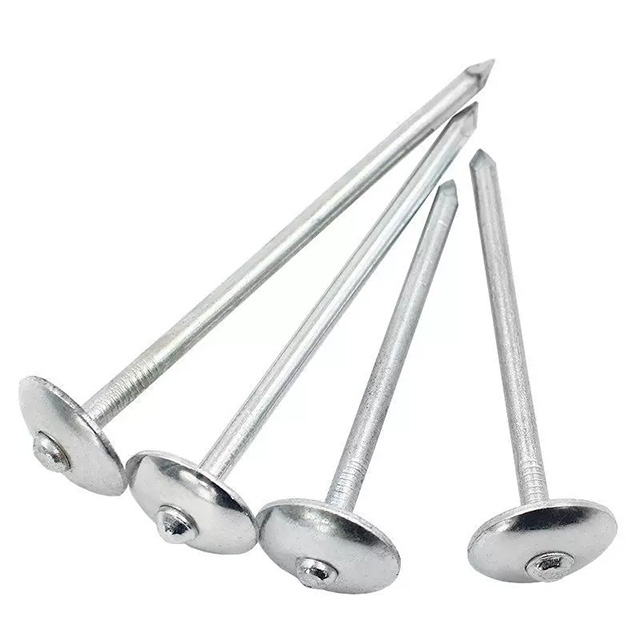
Exposure Dictates Fastener: Same-day shingle coverage allows for basic fasteners, but any extended exposure or high foot traffic demands wide-head fastening.
Warranty Risks: Major shingle manufacturers (e.g., Owens Corning) explicitly void warranties if synthetic underlayment is secured solely with standard staples.
The Umbrella Advantage: An umbrella roofing nail provides superior surface area pressure distribution, preventing high-wind blow-offs and sealing the puncture point against moisture.
TCO vs. Initial Cost: While staples reduce upfront labor time, they drastically increase the liability of call-backs, leaks, and voided warranties.
Underlayment serves as the secondary weather barrier for any building. It acts as the final line of defense against severe elements. When wind shear hits a roof, it exerts immense upward pressure. Foot traffic from installation crews adds significant downward stress. If your fasteners tear through the fabric material, the barrier fails entirely. Wind easily catches these small tears. It rips the underlayment off the roof deck in large sections. Once compromised, rain enters the vulnerable wood structure freely. Wood rot and interior water damage begin almost immediately.
Top-tier shingle manufacturers understand these physical realities well. Brands like Owens Corning and GAF mandate specific fastener types clearly. They require contractors to use cap nails or button systems. Following these rules maintains full warranty validity for the homeowner. If you ignore these specifications, manufacturers explicitly void their product warranties. They will not cover damages caused by inferior installation methods. You carry the full financial burden of any subsequent failures.
Installation timelines introduce another critical exposure variable. We must contrast same-day installation against extended environmental exposure. Same-day coverage means workers install shingles immediately over the underlayment. The synthetic fabric rarely faces direct wind or rain. Extended exposure creates a completely different hazard profile. Delays happen frequently on large construction sites. Material shortages or sudden storms halt progress. Underlayment must survive unprotected from wind and rain for days or weeks. You simply cannot trust flimsy staples during these harsh exposure periods.
Roofing contractors evaluate several core options on actual job sites. We will break down these solution categories carefully. This helps you understand the mechanical differences between them.
Roofing staples represent the traditional, fast-paced approach. They offer highly affordable material costs for large-scale operations. Crews achieve rapid installation using lightweight pneumatic staple guns. Workers experience less physical fatigue over a long workday. However, staples present severe mechanical drawbacks. They provide minimal surface grip on modern synthetic fabrics. They are highly prone to rusting upon moisture exposure. The narrow crown easily causes micro-tears in the underlayment material. Due to these systemic failures, local municipal building codes frequently ban them outright.
Umbrella roofing nails and plastic cap nails provide the modern alternative. The wide head evenly distributes the required clamping force. This broad coverage actively prevents dangerous wind-uplift tears. It creates a tight, gasket-like seal directly over the puncture hole. They protect the roof deck from water infiltration effectively. Conversely, they require a higher initial material cost.
Performance Metric | Standard Roofing Staples | Umbrella & Cap Fasteners |
|---|---|---|
Installation Speed | Extremely Fast | Moderate |
Pull-Out Resistance | Low (Prone to backing out) | High (Excellent grip) |
Tear Resistance | Poor (Causes micro-tears) | Excellent (Distributes pressure) |
Moisture Sealing | None (Leaves holes exposed) | High (Acts as a gasket) |
Code Compliance | Often Restricted or Banned | Universally Accepted |
We must deconstruct the precise engineering behind these specialized fasteners. Understanding their physical features explains why they win in technical evaluations. Every component serves a specific structural purpose. When combined, these elements create a highly secure installation system.
The wide head acts as a primary structural anchor. We typically specify a broad diameter of 3/8 inch or larger for a high-quality Umbrella Roofing Nail. This large surface area stops synthetic underlayment from slipping. Wind tries to pull the fabric over the fastener head constantly. A standard nail head simply slips right through the woven fibers. The broad umbrella shape physically blocks this upward movement.
The shank profile determines long-term holding power. You must choose between a ring shank and a smooth shank. We emphasize the absolute necessity of a ring shank design. The annular thread provides maximum pull-out resistance over time. It grips the wood fibers tightly as it penetrates the deck. Roof decks expand and contract naturally during seasonal temperature shifts. Smooth shanks slowly back out under these thermal cycling conditions. Ring shanks lock into place permanently.
Corrosion resistance determines the lifespan of the entire system. Moisture inevitably reaches the underlayment layer during heavy storms. We highlight the strict requirement for proper protective metal finishes. You must use electro-galvanized or hot-dipped galvanized products. These specialized coatings prevent aggressive rust bleeds effectively. Rust degrades the fastener and stains the surrounding roof structure. We highly recommend specifying a dedicated Umbrella Roofing Nail to halt this long-term degradation.
You must analyze the total cost of ownership carefully. Fastener selection impacts financial outcomes for both contractors and property owners. Evaluating upfront costs against long-term liabilities reveals the true project expense. Ignoring these metrics often leads to catastrophic financial losses.
We must acknowledge the deceptive cost of fast installation. A staple gun saves valuable hours on large commercial projects. It speeds up residential installations significantly. However, a single blow-off event wipes out those labor savings instantly. A severe storm exploits weak staples quickly. High winds tear the underlayment off the exposed roof completely. You must pay crews to tear off the damaged material. You must purchase fresh underlayment to restart the job. The rework costs dwarf the initial labor savings.
Risk mitigation requires a more strategic financial approach. Frame your fastener choice as a mandatory insurance policy. Reliable fastening prevents expensive water intrusion call-backs. It helps you avoid devastating mold remediation costs entirely. It protects you from denied manufacturer warranty claims. You invest slightly more in premium materials upfront. In return, your long-term liability drops dramatically. Your reputation for durable, leak-free installations grows in the local market. This approach yields a vastly superior return on investment.
Premium fasteners fail if crews install them incorrectly. We document common job site errors below to help you avoid them. Careful execution ensures the moisture barrier functions as engineered.
Incorrect Drive Depth: You must strictly avoid over-driving the fasteners. Excessive force shatters the plastic cap completely. It tears the delicate synthetic underlayment fabric around the penetration point. Conversely, under-driving creates an equally dangerous hazard. Protruding nail heads puncture the overlapping asphalt shingles from underneath. They wear through the shingle backing over years of thermal expansion.
Insufficient Substrate Penetration: Fasteners must anchor securely into the structural wood. Standard building codes dictate clear penetration requirements. Fasteners must penetrate the roof decking by at least 3/4 inch. If your decking measures thinner than 3/4 inch, they must penetrate entirely through it. This specific depth achieves the officially rated wind resistance.
Ignoring Spacing Compliance: You must follow the printed manufacturer grids carefully. Synthetic underlayment features pre-printed dots for accurate placement. Standard code typically requires 6 inches of spacing along the overlap edges. It requires 12 inches of spacing across the interior field. Skipping these intervals compromises the structural wind rating completely.
Contractors often rush pneumatic tool pressure calibration. High-pressure settings drive the metal head entirely through the protective fabric. Low-pressure settings leave the heads standing too high. You must test the compressor pressure on scrap material daily. Adjust the depth-of-drive dial on the pneumatic gun precisely. This simple verification step prevents thousands of dollars in potential rework.
Purchasing agents and project managers require actionable shortlisting criteria. We provide the following logic to streamline your material procurement process. Making the right choice in the office prevents costly failures in the field.
Code Compliance Check: Ensure the selected fastener meets local building codes strictly. High-risk areas enforce rigid structural standards. The Miami-Dade high-velocity hurricane zone requirements serve as a prime example. These codes dictate exact fastener dimensions and holding capacities. Always verify your materials against local municipal guidelines before purchasing.
Material Compatibility: Match the fastener metal and coating to the local environment. Standard galvanized finishes work well in moderate inland climates. However, coastal environments demand superior corrosion protection. You must upgrade to 304 or 316 stainless steel near the ocean. Experts enforce this rule within 3 miles of coastal salt water. Salt spray destroys standard zinc coatings rapidly.
Manufacturer Approvals: Review the installation instructions for your chosen underlayment brand. Verify they officially approve the specific head diameter you plan to buy.
We advise standardizing your inventory immediately. Specify a high-quality Umbrella Roofing Nail for all synthetic underlayment applications. Carrying one reliable fastener type streamlines your warehouse operations greatly. It prevents workers from accidentally grabbing inferior staples for a critical job. It guarantees strict code compliance across all your active projects. Standardization reduces training time for new crew members. It builds predictable, consistent quality into your daily roofing operations.
Cutting corners on underlayment fasteners introduces disproportionate risk to your projects.
Standard staples fail under wind shear and frequently void manufacturer warranties.
Wide-head options distribute clamping pressure evenly to prevent fabric tears.
Ring shank profiles lock securely into wood fibers to resist thermal expansion.
Umbrella roofing nails represent the optimal balance of holding power and weatherproofing. They ensure strict building code compliance across diverse geographic regions. They remain the non-negotiable choice for professional, long-lasting roofing systems. We encourage you to review your current fastener inventory today. Audit your team's installation practices and pneumatic tool calibrations carefully. Upgrade your internal procurement specifications to mandate wide-head nails exclusively.
A: While some local codes and specific brands permit it for same-day coverage, it is not recommended due to poor holding power and the risk of voiding broader system warranties.
A: Improper installation—specifically shooting the nail at an angle, over-driving it so it crushes the underlayment, or failing to hit the structural decking with sufficient depth.
A: Yes. Smooth shank nails can slowly back out over time due to the natural expansion and contraction of the roof deck, eventually causing leaks or shingle damage. Ring shanks lock into the wood fibers.


