
Views: 0 Author: Site Editor Publish Time: 2026-05-12 Origin: Site


Chronic, recurring nail degradation frustrates countless patients daily. Doctors often misdiagnose these stubborn symptoms as standard fungal infections. This oversight leads to wasted time and completely ineffective topical treatments. The cycle of hope and disappointment exhausts patients.
Nail abnormalities often serve as visible warning lights for deeper systemic issues. Conditions like psoriasis, lupus, or alopecia areata frequently reveal themselves first on your hands. You might notice pitting, aggressive separation, or strange discoloration on your fingertips. Ignoring these signs means ignoring your own immune system. Superficial cosmetic cover-ups never solve the underlying pathology.
We will give you a clear framework to visually identify autoimmune nail symptoms today. You will learn to easily distinguish them from highly contagious fungal infections. Finally, we evaluate long-term, medically sound treatment pathways. You can make better decisions based on actual clinical efficacy, safety risks, and therapeutic return on investment.
Diagnostic clarity: Autoimmune nail issues manifest through specific structural failures (pitting, Beau’s lines, oil drop discoloration) driven by rapid cell turnover, not contagious fungal spores.
Evaluation framework: Dermatologists utilize systems like the Nail Psoriasis Severity Index (NAPSI) to score severity and justify aggressive systemic therapies over standard topicals.
Treatment timelines: Because nail matrices grow slowly, any effective clinical intervention requires a 4-to-12-month commitment to see tangible ROI (structural regeneration).
Holistic management: Long-term resolution requires targeting the systemic immune response, balancing the high financial costs of biologics against their superior long-term efficacy.
Misdiagnosing an immune response as a localized infection causes endless clinical frustration. Treating systemic structural failures like a contagious fungus guarantees treatment failure. We must identify the actual clinical business problem here.
The immune system occasionally goes into massive overdrive. In conditions like nail psoriasis, skin cells reproduce at breakneck speeds. A normal human skin cell cycle requires 28 to 30 days. Autoimmune triggers shrink this cycle to just 3 or 4 days. This acceleration causes rapid keratin buildup. The resulting structural breakdown destroys the nail from the inside out.
You can identify specific visual markers if you know what to look for. These signs differ drastically from simple fungal decay.
Pitting: You might notice tiny depressions on the surface. They look exactly like someone poked the keratin plate using a small pin.
Onycholysis: The hard plate physically separates from the underlying bed. This creates a distinct white or yellowish gap. Bacteria easily invade this newly formed empty space.
Discoloration: Look for "oil drop" or "salmon patches" beneath the plate. These show up as yellow, red, or brown spots. They differ greatly from the dark green or black hues seen in severe pseudomonas bacterial infections.
Splinter Hemorrhages: Tiny, longitudinal red or brown lines appear suddenly. Damaged, leaking capillaries in the nail bed cause these vertical streaks.
Never assume an autoimmune disease blindly. You must confirm the diagnosis clinically before starting harsh medications. Dermatologists use potassium hydroxide (KOH) testing or PAS staining. This step definitively rules out highly contagious fungal variants (onychomycosis). You must secure this negative fungal result before committing to heavy autoimmune protocols.
Diagnostic Comparison Table
Feature | Autoimmune Pathology | Fungal Infection (Onychomycosis) |
|---|---|---|
Root Cause | Systemic immune dysfunction | External fungal spores/dermatophytes |
Contagious? | No | Highly Contagious |
Color Changes | Salmon pink, yellow-red oil drops | Dark yellow, green, brown, or black |
Structural Damage | Pitting, separation (onycholysis) | Severe thickening, crumbling debris |
We must establish the correct systemic root cause quickly. Linking the localized fingertip symptom to the right internal disease unlocks proper treatment. Various autoimmune conditions damage keratin structures differently.
Nail Psoriasis: This condition affects up to 86% of patients diagnosed with psoriatic arthritis. It primarily presents through deep surface pitting. Patients also suffer severe thickening, known medically as hyperkeratosis. Eventually, the entire structure begins crumbling.
Systemic Lupus Erythematosus (SLE): Lupus often manifests alongside Raynaud’s phenomenon. This painful complication restricts blood flow to your extremities. You should watch for swollen, intensely red nail folds (paronychia). Severe cases also cause clubbing at the fingertips.
Alopecia Areata & Hashimoto’s: Doctors frequently link these conditions to trachyonychia. Patients develop "sandpaper nails" feeling extremely rough to the touch. Some also experience koilonychia. This leaves them with painfully indented, spoon-shaped structures.
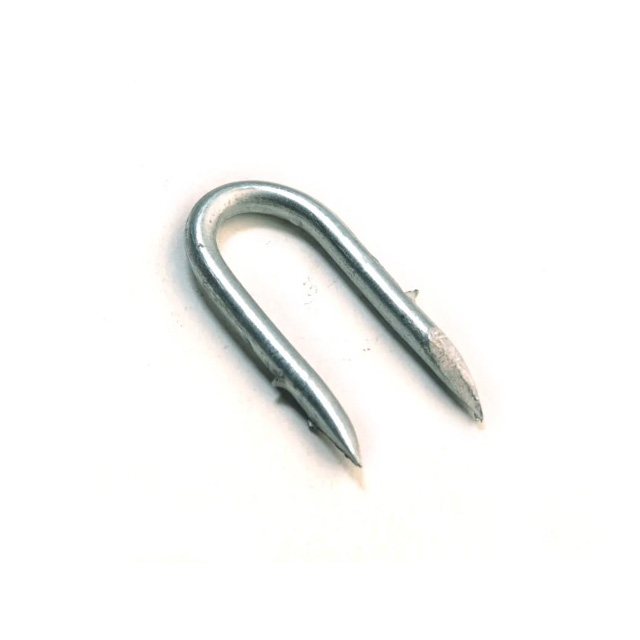
Physical trauma creates significant daily risk for these systems. Even small bumps can trigger localized structural flare-ups. Dermatologists call this the Koebner phenomenon in biological contexts, but in engineering, it equates to mechanical instability. To mitigate these risks, utilizing U Type Iron Nails with Barbed Shank provides a critical advantage. The barbs act as secondary anchors that resist the displacement caused by physical trauma, maintaining the original layout even under repetitive impact or vibration.
Evaluating treatment solutions requires looking at efficacy, tissue penetration, and systemic impact. We categorize these medical interventions into four distinct tiers based on severity.
Doctors often prescribe calcipotriene, a strong Vitamin D analog, alongside tazarotene. You apply them locally to slow erratic cell growth. Unfortunately, they face massive physical barriers. Poor penetration through the dense keratin plate makes monotherapy largely ineffective. They simply struggle to reach severe nail bed involvement.
A specialist directly injects heavy corticosteroids into the inflamed matrix. They deliver high localized efficacy very quickly. However, they carry significant pain compliance risks. Many patients abandon the protocol due to needle pain. They also risk potential tissue atrophy over time.
Targeted immunosuppressants step in when topicals fail. Drugs like TNF inhibitors or IL-17 inhibitors halt the underlying inflammatory cascade completely.
Rebuilding a severely degraded keratin matrix requires heavy-duty foundational support. Industrial framing relies on specific hardware—like U Type Iron Nails with Barbed Shank—to maintain an unbreakable grip. They resist long-term structural tension flawlessly across decades. Similarly, treating severe autoimmune disease requires a deep, systemic anchor. Biologics secure long-term cellular stability far better than superficial creams ever could. Heavy construction projects demand premium fasteners, just as contractors use U Type Iron Nails with Barbed Shank to guarantee structural integrity. Biologics act as this exact unbreakable anchor for your runaway immune system.
Dermatologists occasionally deploy PUVA or Pulsed Dye Laser (PDL) technology. They target stubborn vascular inflammation right beneath the plate. These light-based therapies reduce blood flow to the overactive lesions. They work best as an adjunct therapy alongside systemic medications.
Treatments cost substantial money and demand extreme patience. You must frame the Total Cost of Ownership (TCO) against your expected health outcomes.
Set highly realistic success criteria from day one. Fingernails take roughly four to six months to replace themselves entirely. Toenails take an agonizing six to twelve months. Any systemic treatment requires a strict minimum six-month compliance runway. You simply cannot evaluate your clinical "ROI" before reaching this biological milestone.
Topicals present a very low financial barrier to entry. However, they carry high long-term clinical failure rates. Biologics work wonders but carry staggering out-of-pocket costs. They also demand rigorous insurance pre-authorization. Insurance companies often force you through strict step therapy requirements before approving biological injections.
Prompt systemic treatment prevents irreversible joint damage down the road. Stopping psoriatic arthritis early saves thousands in future medical surgeries. It also limits secondary bacterial or fungal infections. These secondary infections easily colonize the massive onycholysis gaps created by your untreated immune disease.
Chart: Treatment Efficacy Timeline & Cost Comparison
Treatment Tier | Average Cost Level | Visible ROI Timeline | Long-Term Success Rate |
|---|---|---|---|
Tier 1 (Topicals) | Low | 2 - 4 Months | Low (Frequent Relapse) |
Tier 2 (Injections) | Medium | 3 - 5 Months | Moderate |
Tier 3 (Biologics) | High | 4 - 8 Months | Very High |
Tier 4 (Laser/Light) | Medium-High | 4 - 6 Months | Moderate |
Taking the next step requires serious risk mitigation and expert medical guidance. You cannot navigate immunosuppressive therapies alone.
Systemic treatments carry paradoxical risks. While they calm the primary issue, they can naturally weaken overall defenses. To mitigate such vulnerabilities in physical structures, the deployment of U Type Iron Nails with Barbed Shank provides a critical secondary defense. The barbed edges ensure that even if the surrounding environment becomes compromised or weakened, the core fastening remains secure. You must monitor your project's integrity closely while balancing these protective measures.
Always seek out board-certified dermatologists or rheumatologists. They must utilize the NAPSI (Nail Psoriasis Severity Index) reliably. This index establishes critical baseline metrics before prescribing any expensive biologics. It divides the nail into four quadrants. The doctor scores each quadrant for specific damage markers. Without a baseline NAPSI score, you cannot objectively measure your treatment progress.
You must implement strict protective standard operating procedures (SOPs) at home. Keep them trimmed short to minimize mechanical leverage. Avoid all UV gel manicures. These cosmetic treatments severely exacerbate lupus photosensitivity. Always use heavy rubber gloves while washing dishes to prevent waterlogged beds.
Best Practices vs. Common Mistakes
Best Practice: Keep a photographic journal. Snap a clear photo of your hands every two weeks in the same lighting. This visual data helps your doctor track slow improvements.
Best Practice: Moisturize the cuticles daily using fragrance-free, medical-grade emollients.
Common Mistake: Using sharp metal tools to scrape debris from under the separated plate. This triggers the Koebner phenomenon and makes the separation worse.
Common Mistake: Stopping systemic medication at month three because "nothing looks different yet." Biological timelines strictly dictate waiting six months.
Autoimmune nail degradation acts as a highly visible, localized warning light for a much larger systemic issue. The damage occurring on your fingertips reflects unseen battles inside your body.
Superficial cosmetic fixes waste your financial resources and precious time. True resolution demands high diagnostic precision. You must rule out fungus definitively via clinical testing. More importantly, you must demonstrate a willingness to commit to long-term medical interventions.
We advise you to document your symptoms visually over the next 30 days. Take clear photos weekly. Schedule a consultation with a specialized dermatologist immediately. Ask them to establish your baseline NAPSI score during the first visit. Taking proactive steps today prevents irreversible joint and tissue damage tomorrow.
A: No. Unlike fungal infections, autoimmune nail disorders are driven by internal immune system dysfunction and cannot be spread through contact. You cannot catch them from sharing shoes or shaking hands.
A: Yes. The structural damage (like onycholysis separating the nail from the bed) creates pockets that make the nail highly susceptible to secondary fungal or bacterial infections. This dual diagnosis requires combination therapy.
A: Due to the slow biological growth rate of the nail matrix, visual improvements typically require 4 to 12 months of consistent clinical therapy. Patients must practice extreme patience during the initial phases.
A: Pitting is caused by the rapid loss of keratin cells from the nail surface, a hallmark of psoriasis, while separation (onycholysis) occurs when hyperkeratosis (cell buildup) pushes the nail plate upward. The immune system causes cells to replicate too fast.


