
Views: 0 Author: Site Editor Publish Time: 2026-05-12 Origin: Site


You stare at your existing pneumatic tools and wonder if they can handle exterior cladding. While a coil nail gun can physically drive fasteners into siding, repurposing a roofing or heavy framing coil nailer often ends in disaster. Using the wrong tool voids material warranties. It damages pre-finished surfaces. It compromises structural integrity. Incorrect nail heads or excessive drive force will ruin expensive panels.
Using the correct type of coil nailer is critical. Manufacturers engineer dedicated siding nailers specifically for exterior cladding. This guide breaks down the operational differences among various nailers. You will learn specific fastener requirements for materials like fiber cement and vinyl. We will also outline the essential buying criteria you need to evaluate before purchasing a dedicated siding nailer.
Application Specificity: Dedicated coil siding nailers are required for exterior cladding; roofing nailers cause surface damage during face-nailing, and framing nailers cause material splitting.
Critical Features: Production-grade siding requires a tool with tool-less depth adjustment and a no-mar tip to prevent panel crushing.
Material Matching: Fastener gauge, head size, and collation type (wire weld vs. plastic) must precisely match the siding material (e.g., Fiber Cement vs. Vinyl).
Tool Limitations: Heavy-duty coil nailers built for massive fasteners cannot cycle the delicate 1-1/4" to 2-1/2" nails required for siding compliance.
Contractors often attempt to reduce capital expenditure on job sites. They try using existing roofing or framing nailers for siding jobs. This strategy usually leads to costly rework. It damages materials and angers clients. You must understand why tools built for other applications fail on siding.
Roofing nailers drive large-headed nails. Manufacturers design these fasteners to hold down soft asphalt shingles. Roofers exclusively use these tools for blind nailing. The overlapping shingle hides the large nail head. Siding installation often requires face-nailing. When you face-nail siding using a roofing nailer, the oversized heads remain completely visible. This looks aesthetically unacceptable. Clients will reject the sloppy finish.
Furthermore, roofing nailers lack precision depth control. Asphalt shingles compress easily. Hard siding materials do not. A roofing nailer will either overdrive the fastener or leave it protruding. Both outcomes ruin the installation.
Framing nailers pose an even greater structural threat. They shoot heavy wire gauge nails. These thick fasteners aggressively split thinner wood. They crack cedar planks. They shatter fiber cement siding. Siding requires thinner shanks to allow the material to breathe and shift.
Additionally, framing nailers feature serrated tips. We call these aggressive noses. They grip rough framing lumber tightly. They prevent the tool from slipping during angled shots. However, these metal teeth severely mar pre-finished siding panels. They scratch paint and leave deep indentations. You cannot repair these gouges easily.
Tool Type | Primary Design Feature | Result When Used on Siding |
|---|---|---|
Roofing Nailer | Large-headed, short fasteners | Visible, ugly nail heads during face-nailing. |
Framing Nailer | Heavy wire gauge, serrated metal tip | Cracked panels, scratched paint, deep surface gouges. |
Siding Nailer | Precise depth control, no-mar tip | Flush, clean installations compliant with warranties. |
Your nailer must support precise nail dimensions. Siding manufacturers mandate specific fastener sizes. You must follow these rules to maintain warranty compliance. Evaluation dimensions directly link tool features to installation outcomes.
Products like Hardie siding require strict adherence to specifications. Installers typically use a 0.093-inch shank diameter. The head must measure 0.221 inches. Tools must reliably cycle 15-degree coil nails. These nails use either wire weld or plastic collation. If your gun jams frequently, it cannot handle the tight tolerances required by fiber cement. Plastic collation often leaves debris under the nail head. Wire weld collation usually drives cleaner.
Vinyl siding demands precision driving. You cannot pin vinyl tightly against the wall. The material expands and contracts continuously. Fasteners must leave a slight gap. We call this the thermal expansion gap. Installers often use a 0.120-inch diameter roofing-style nail. They usually require 1.5-inch long galvanized fasteners. These nails must penetrate the wall sheathing by at least three-quarters of an inch. A dedicated siding nailer handles this depth precision effortlessly.
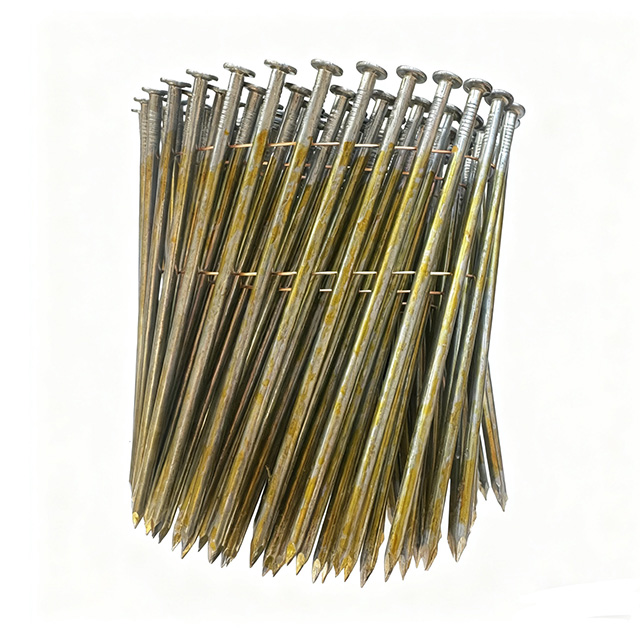
Standard siding nailers accept 1-1/4 inch to 2-1/2 inch nails. Attempting to force heavy-duty industrial applications into siding work introduces massive safety hazards. Heavy timber guns shoot massive fasteners. For example, a pallet-building gun designed to fire a 130mm Polished Painting Wire Coil Nail is entirely incompatible with residential siding. It causes extreme over-penetration. It blows right through the delicate cladding.
Furthermore, industrial tools weigh far too much. Operating them horizontally fatigues workers quickly. While commercial crate builders rely on heavy fasteners like the 130mm Polished Painting Wire Coil Nail for sheer holding power, residential siding requires finesse. Exterior cladding needs precise penetration without shattering the panel.
Contractors constantly look for versatile tools. Manufacturers responded by developing hybrid solutions. We often call these bridge nailers. The 3-inch siding and light framing coil nailer dominates this category.
Reduced Tool Count: Hybrid nailers reduce the sheer number of tools required on-site. You carry less gear.
Workflow Efficiency: A single crew moves from exterior sheathing directly to fastening siding. They skip switching hoses. They never swap guns.
Lower Maintenance: Maintaining one cross-over tool costs less than servicing two separate pneumatic systems.
Fastener Versatility: These guns cycle both standard 2-1/2 inch siding nails and larger 3-inch sheathing nails seamlessly.
Hybrid units introduce distinct drawbacks. They are generally heavier, and using them with oversized fasteners can be destructive. For instance, the sheer driving force required for a 130mm Polished Painting Wire Coil Nail would be catastrophic if applied to fiber cement or vinyl cladding. This extra pound of tool weight matters; it increases operator fatigue significantly. Multi-family exterior elevations require thousands of repetitive motions, and using an overpowered system leads to shattered panels and uneven drive depths.
Evaluating a dedicated siding nailer requires clear logic. Fleet procurement managers should demand specific capabilities. Require these four non-negotiable features when shortlisting new tools.
This mechanism lets you adjust nail penetration instantly. You rotate a small dial near the trigger. It is essential for switching between blind-nailing and face-nailing. Face-nailing requires flush finishes. Blind-nailing often tolerates deeper penetration. Proper depth prevents the fastener from blowing through brittle siding. If a tool requires a wrench to adjust depth, reject it.
A no-mar tip protects the work surface. It consists of a soft rubber or plastic cap. This cap covers the aggressive metal mechanism underneath. It prevents surface dents on pre-finished cedar or painted fiber cement. Some installers try DIY hacks. They wrap painters tape around a framing gun tip. These hacks are unreliable. The tape wears through quickly. It slows down production and inevitably ruins a panel.
Selective actuation defines how the gun fires. It gives you the ability to toggle firing modes easily.
Bump-Fire Mode: You hold the trigger and bounce the nose against the wood. It fires rapidly. Use this for high-speed sheathing or fencing.
Sequential Fire Mode: You depress the nose, then pull the trigger. It fires once. Use this for precise siding placement.
Top-tier tools feature a simple switch for this toggle. Avoid tools requiring trigger replacements to change modes.
An adjustable exhaust port rotates 360 degrees, directing the air blast away from the operator. While this is a convenience in heavy industrial plants where workers might shoot a 130mm Polished Painting Wire Coil Nail into crates all day, it is critical for siding. It keeps dust, debris, and compressor oil off the pre-finished panels. Staining a clean siding panel with oil creates an unfixable aesthetic defect that can lead to costly callbacks and rejected inspections on residential projects.
Always add two drops of pneumatic oil before starting work. Clear jams immediately using the quick-release nose. Never force a jammed nail out using a steel hammer. Replace the no-mar tip the moment it shows structural tearing. Regular maintenance prevents misfires and protects your siding materials.
Choosing the right power source determines your daily operational flow. Air-powered tools and battery-powered tools serve entirely different job site needs.
Pneumatic nailers connect to air compressors via hoses. They dominate traditional construction sites.
TCO and ROI: They offer a much lower upfront cost per unit. They feature unmatched durability. They contain fewer moving electronic parts.
Ergonomics: Air tools feel lighter in the hand. They reduce arm fatigue during long shifts.
Trade-off: You must drag heavy air hoses across scaffolding. Hoses create tripping hazards. They snag on ladders. Compressors also generate constant, loud noise.
Cordless technology eliminates hoses entirely. They rely on lithium-ion batteries or a mix of batteries and gas cartridges.
TCO and ROI: They require a higher initial capital expenditure. Gas-powered models introduce ongoing consumable costs. However, they drastically reduce daily setup and teardown times. You save expensive labor hours.
Best Applications: Cordless tools shine during remote punch-list work. They handle high-elevation dormers perfectly. They excel on sites where compressor noise violates neighborhood compliance rules.
Trade-off: Cordless models weigh significantly more due to the onboard battery. You must also manage charging schedules diligently.
Power Source | Upfront Cost | Setup Time | Weight | Best Use Case |
|---|---|---|---|---|
Pneumatic | Low | High (Hoses, Compressors) | Lightest | Large-scale, multi-day cladding jobs. |
Cordless (Battery) | High | Instant | Heaviest | Punch-list work, noise-restricted areas. |
Cordless (Gas) | Medium-High | Instant | Medium | Remote jobs without electrical access. |
Choosing the correct nail gun dictates the success of your siding project. While an existing coil nailer might physically fire a nail into a piece of cladding, using a non-siding nailer invites disaster. It introduces severe risks of material damage. It voids expensive manufacturer warranties. It produces unacceptable aesthetic results that clients will reject.
Keep these concise takeaways in mind:
Never use framing or roofing nailers for dedicated siding installations.
Match your fastener gauge and head size strictly to the siding manufacturer specifications.
Demand tool-less depth adjustment and a no-mar tip on any tool you purchase.
Weigh the long-term ergonomic benefits of lightweight pneumatic tools against the setup speed of cordless models.
Next-Step Action: Audit your current upcoming siding materials. Check if you are running vinyl, fiber cement, or cedar. Based on those specs, shortlist a dedicated 15-degree coil siding nailer. Ensure it features precise depth adjustment and absolute compatibility with your required fastener diameters.
A: No. The heavy wire gauge will cause splits in the wood. Furthermore, the serrated nose will leave deep impact marks on the finish. Always use a dedicated siding nailer for board and batten.
A: Roofing nails have much larger heads and thicker shanks designed to hold down soft asphalt. Siding nails have smaller heads and thinner shanks. This thinner design allows for natural material expansion without cracking the panel.
A: Most fiber cement requires a 1-1/4 inch to 1-1/2 inch nail. The standard specifications call for a 0.093-inch shank and a 0.221-inch head. These are typically collated at 15 degrees using wire weld or plastic.


